
Laundry Tips to Extend the Life of Your Bedding
2024 Feb 25th
There’s no better feeling than climbing into a fresh bed with clean sheets, but keeping them that way is often easier said than done. It might be easy to leave every wash or stain to the last minute, but your skin will thank you for being on top of your laundry.
Thankfully, caring for your bedding doesn't have to be a complicated science. Whether you simply want a cozy sleep, or want to help your sheets last as long as they can, here’s our top tips to giving your bedding the TLC it deserves.
Tip #1: Opt For Cold Water Cycles
Why Cold Water Laundry Cycles are Essential
Using cold water cycles when washing your bedding can significantly extend its lifespan, especially for the natural fiber fabrics we carry here at QE Home. Cold water is much gentler than hot water, preventing excessive wear and tear on fibers. This means your cold water washes will reduce the likelihood of colour fading and shrinkage compared to hot cycles.
Heating water accounts for approximately 90% of your machine’s energy use, so even switching from hot to warm water can halve your energy consumption. Switching to cold water cycles will not only reduce energy usage but also promote a more eco-friendly laundry routine, ultimately saving you money on bills!
Isn't Hot Water Necessary for Stain Removal and Sanitization?
The idea that higher temperatures clean clothes better has been passed down from previous generations, and indeed, there was once some truth to this. However, with advancements in washing machines and laundry detergents, low-temperature wash cycles today are vastly improved compared to their counterparts from decades ago.
What Should You Do If You’re Washing With Hard Water?
If you live in a house or region with hard water in the pipes (meaning the water in your house is high in minerals like calcium and magnesium), you may want to give a little extra care and caution when washing your sheets. These minerals can leave your bedding stiff and scratchy if left unchecked, and can even discolour certain fabrics.
To avoid these sorts of risks, it’s strongly recommended that you add a powdered water softener or water booster to your laundry to prevent minerals from damaging your bedding. These powders break down the minerals to better protect your sheets, ensuring they won’t end up feeling dull or rough after washing.
Tip #2 Tumble Dry On Low
Another simple-yet-effective way to extend the life of your bedding (and clothing) is to be mindful of how you dry them. As mentioned in the previous tip, high heat can be harsh on fabrics, and the dryer is notorious for shrinking beloved textiles. Tumble drying on low heat is the way to go for most of us here in Canada, but it’s just as helpful to hang your laundry out to dry if you can!
In general, all bed sheets are better cared for with gentle, low-heat settings. Duvet covers, particularly those with special details and finishes, absolutely need to be dried using the lowest heat setting possible so that they don't shrink.
Which Fibers And Fabrics Benefit Most From Drying On Low Or No Heat?
In addition to fibers like bamboo, cotton, and TENCEL™ that are susceptible to shrinkage, wool and silk typically require more delicate drying routines (and in some cases, may not be safe to put in the dryer to begin with). Synthetics can also be prone to heat damage, as can garments with elastics like underwear and activewear.
Not only does tumble drying on low preserve your bedding and clothing, but it also significantly reduces household energy use. So, next time you use your dryer, remember to select the low-heat option. Your laundry and your wallet will thank you in the long run!
Which Is Better: Dryer Balls Or Dryer Sheets?
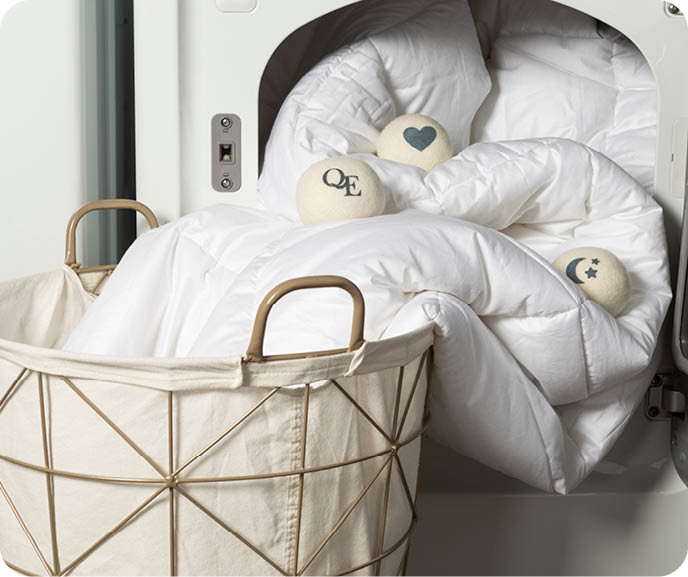
Dryer balls are essentially little balls of softness, and are a must-have for any laundry routine! Dryer balls work to separate your items when tossed in with your laundry, which prevents static cling to avoid the dreaded tangled and clumped effect that keeps things damp.
Dryer sheets can also accomplish this, but these single-use products coat your fabrics with a softening agent. This can build up over time and can lessen the quality of your fabrics, making dryer balls the safest (and easiest) option. This buildup can also clog your dryer's vents and block moisture sensors, meaning they can potentially shorten the machine’s lifespan too!
And if you’re looking for a fresh set, look no further! Made from 100% natural wool fibers, our Linen Love Wool Dryer Ball Sets are a safe and healthy option for those with allergies or sensitive skin. Free from harsh additives and irritants, they are the easy choice for anyone who prioritizes natural, earth-derived ingredients in their home, and absorbs moisture to improve the drying speed. Each set also comes with a scented essential oil blend to give your laundry an extra fresh touch (also sold separately for when you need a top-up).
Tip #3: Do Not Overfill Your Washing Machine
It may be tempting to fit as many items as possible into your washing machine, but this can have several negative effects on your laundry, your machine, and ultimately on the environment. An overloaded machine will not effectively clean or rinse your laundry. Tangling and wrinkling are common side effects of cramming too many items into a single load.
What may seem like a time-saving approach will cost you in the long run, with higher maintenance costs for your laundry and your machine, which can be subject to premature wear and tear as a consequence of this all-too-common habit.
Tip #4: Avoid Putting Pressure On Your Bedding
It’s one thing to care for your sheets, but there’s also a lot you can change about your sleep routine to help your sheets stand the test of time! All sheets will gradually wear through as you put your full body on them every night, so putting less strain on your fabrics will help keep your sheets feeling as fresh as when you first got them.
Sheets should always be able to handle the weight of your body, but enough pressure and rough contact can potentially weaken fabrics stretched across your bed. This is why we recommend against leaving heavy objects on your bed, as putting too much weight on them can stretch and weaken their weave.
And while sheets are definitely for laying on, a little self-care can help prevent your bedding from getting damaged in your sleep. Long or untrimmed nails can often scratch or snag into fabrics, while rough skin can potentially cause fabrics to wear through faster.
For fitted sheets, it can also help to add a mattress protector with similar fibers as well. The ticking on your mattress can rub against your sheets and weaken their fibers, so having a similar fabric over your mattress can act as a smooth barrier for your bedding.
Simply put, there’s nothing sheets love more than a smooth, gentle touch!
Can Sweat Ruin Your Sheets?
Even the most absorbent fabrics can only handle so much acidic liquid before the fibers begin to weaken, meaning sweat can be a potential risk to the longevity of your sheets.
Thankfully, the easiest way to prevent sweat damage is by cooling down your bed. You can always switch to cooler sheets or a cooling mattress protector, but even just switching to a light-warmth duvet or a breathable quilt as your top layer can keep you from overheating in your sleep. And if your sheets are too warm by themselves, it might be a sign to switch to something with a cooler touch, like our Bamboo Cotton and TENCEL™ fabrics.
Tip #5: Wash Similar Fabrics With One Another
You’ve heard of separating your loads by colour, but separating them by fabric type is a lesser-known laundry tip that distinguishes the savvy from the just-starting-out. Sorting your laundry into similar fabrics means that you can adjust the washing cycle and water temperature accordingly.
Each load will receive optimal treatment and also prevent delicate fabrics from being prematurely worn, torn, or damaged by heavier or sturdier ones. This may also reduce pilling and lint transfer, two of the most common washing-day woes.
What Do You Need To Know When Mixing Fabrics In The Wash?
Realistically, you may not always be able to keep fabrics completely separate, but try to do so as much as possible! As a general rule of thumb, washing like with like is a simple way to start; this is because different fibers and weaves can catch onto each other, which can cause them to snag and tear due to the friction.
Not every fabrication needs to have a unique wash, but you should try to be as close as possible. Your laundry is typically safe if you’re washing different TENCEL™ fibers together, but if you’re washing something with a unique material like wool or silk, or a synthetic material like polyester, it’s best to keep them fully separated from other laundry loads.
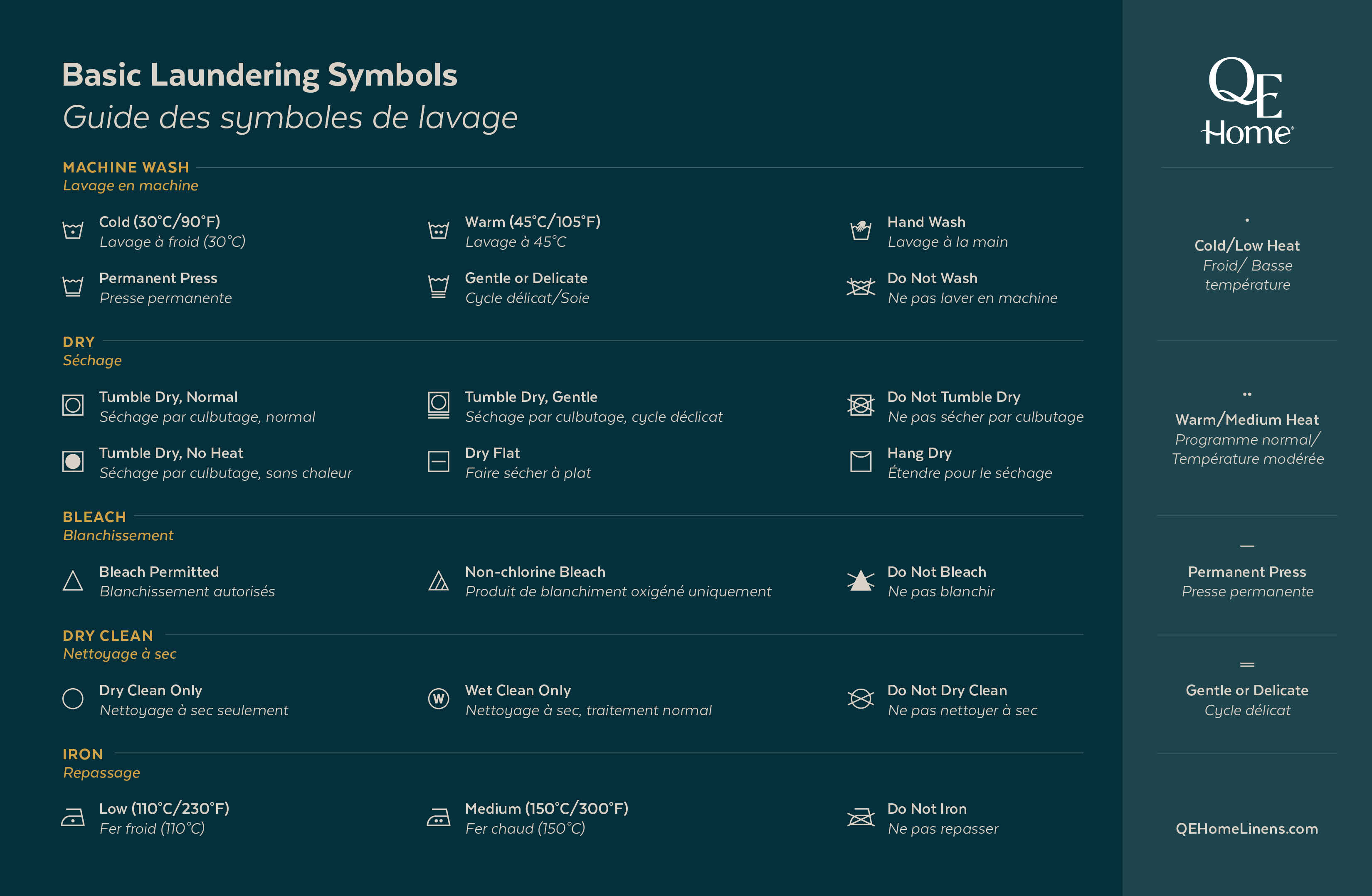
And of course, always double-check the tags on your bedding before you wash, and be sure to review the care instructions on our website for more information. If you need any help understanding the laundry symbols found on your bedding, download our PDF guide here!
Tip #6: Use A Specialized Product To Protect Your Laundry (And The Planet)
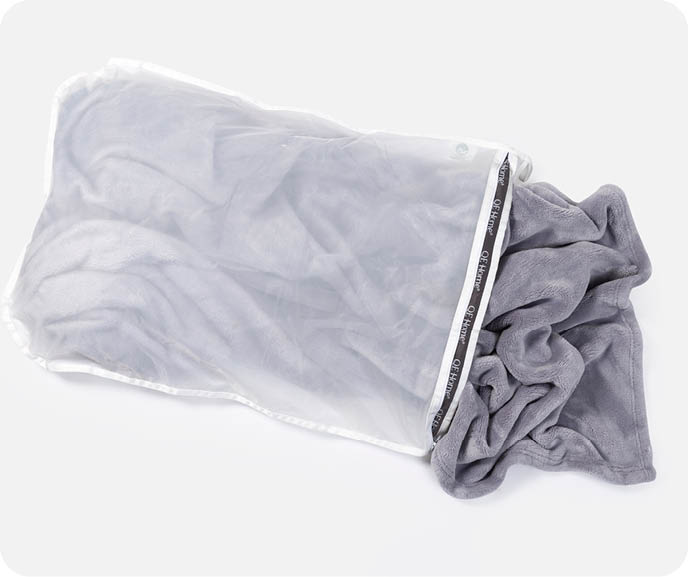
Using a laundry bag (such as our Mighty Mesh Laundry Bag) during wash cycles is a nifty way to protect extra-delicate items from tangling, snagging, or stretching. There’s also an eco-friendly benefit: microfiber capture during the rinse cycle, which prevents shedding from contaminating the rest of your laundry load and, most importantly, avoiding its entry into waterways.
By incorporating this step into your laundry routine, you will definitely reap the benefits of longer lifespans for your most treasured items, while safeguarding the health of our planet.
Curious to learn more? We made a video just for you! Watch it on YouTube here.
Tip #7: Clean Stains Right Away
If you ever stain your bedding, putting it in the wash right away can often be a big mistake. Stains can directly affect the fibers in your bedding, and by putting stained bedding in the wash or a hot dryer, they can potentially heat-set and become permanent.
If you want your bedding looking clean and tidy, you need to give every stain proper care as soon as you spot them. Thankfully, there are tons of easy ways to clean up stains before they leave their mark—click here for our full guide!
Tip #8: Wash Items With Their Zippers Closed
When washing items with zippers, such as our designer duvet covers, you should always make sure that their zippers are closed. This prevents other items from getting lost in each other, which can essentially prevent them from getting enough air to properly dry.
Washing with closed zippers also helps reduce the risk of damage that the zipper’s “teeth” can cause to other items—and even to the zipper itself. Keeping it closed prevents it from snagging onto other fabrics, so that your bedding is safe from getting torn and the zipper doesn’t get pulled apart.
For extra safety, we also recommend washing items like duvet covers and pillowcases inside out. This keeps the surface from being directly affected in the wash, helping the fabric look and feel like new!
Tip #9: Discover The Laundry Benefits Of White Vinegar
As it turns out, this longtime pantry staple is a laundry room staple, too! White vinegar offers a plethora of benefits when washing your bedding, clothing, and towels:
- Natural fabric softener
- Eliminates odours
- Lifts stains
- Increases colour fastness
- Prevents lint and pet hair from clinging to laundry
Try it for yourself! Next time you put a load of towels in the wash, add a cup of distilled white vinegar before starting the cycle. You'll be surprised at how fluffy and fresh they emerge! Additionally, you can clean your washing machine itself with this magic ingredient. A few times a year, run a complete wash cycle with the drum empty, adding 2 cups of white vinegar to a hot water cycle.
Tip #10: Don’t Add To Landfills, Recycle Your Old Bedding
If you've followed the nine previous tips, congratulations! You can rest easier knowing that your diligent laundry habits will help extend the life of your bedding.
Eventually, when your items do reach the end of their lifespan, we offer a sustainable solution for you to bid them a respectful goodbye. Our textile recycling program, ReHome, allows our customers to return their old QE Home products in exchange for store credits (usable for online orders) to replace them with something new.
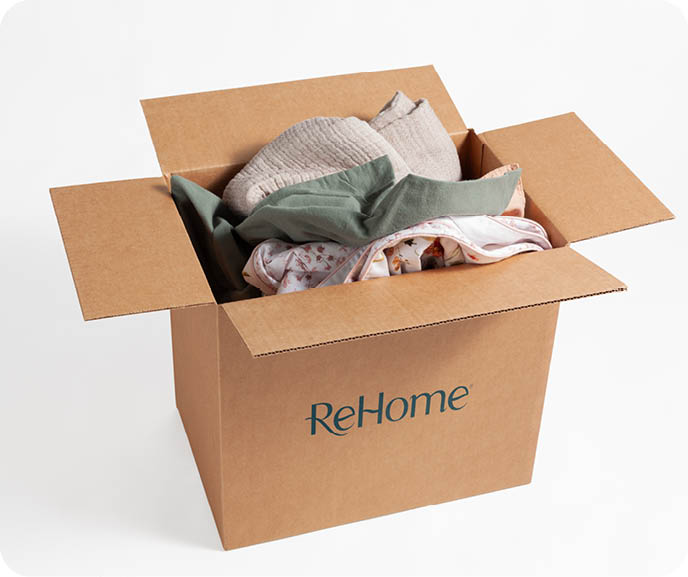
How Does ReHome Work?
Powered by SuperCircle, items sent back to be recycled are transformed into something new. SuperCircle works with the world’s leading brands to recycle eligible products. Their goal is for you to be able to follow the entire lifecycle of your specific product through the recycling process and they guarantee that all items are being diverted from landfill and are finding a new life. They ensure that the material that can be upcycled will make its way into new yarn and eventually textiles (think recycled denim, bedding, etc.), and the rest will be downcycled into other mixed-use items (think insulation, padding for sports equipment, etc.).
You can learn more about textile recycling over on this blog post: The Ultimate Guide to Textile Recycling.
Thanks for reading, we wish you all the best in conquering your laundry and building sustainable new habits! To learn more about how to take care of your specific QE Home products, visit our Laundering & Fabric Care page.
